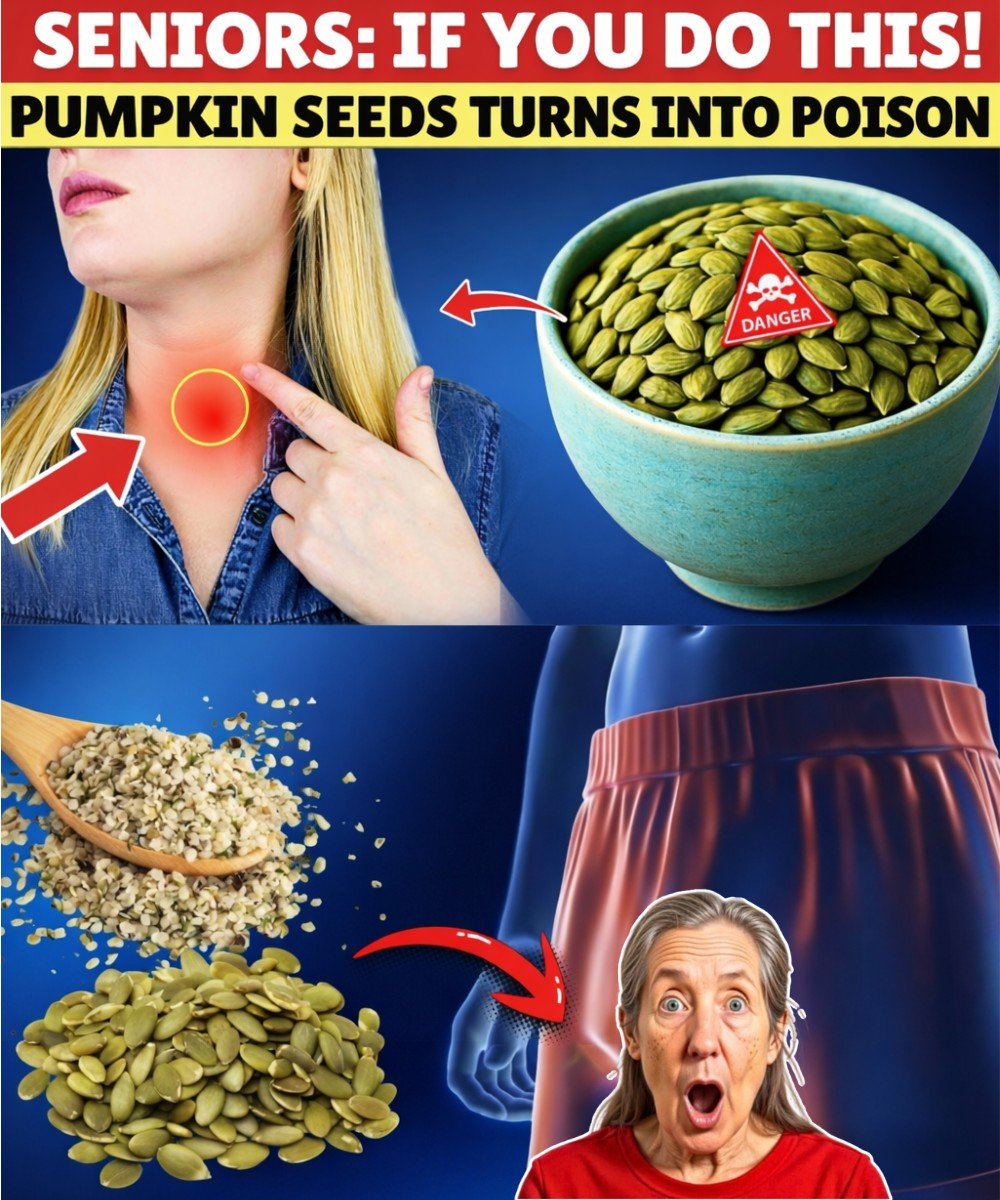
Seniors: 8 Pumpkin Seed Side Effects You Might Not Know About
Pumpkin seeds are a popular snack for many seniors, offering nutrients like magnesium, zinc, and healthy fats that support overall wellness. Yet, as we age, our bodies can react differently to even nutritious foods, and enjoying too many pumpkin seeds or preparing them improperly might lead to unexpected discomfort. Many older adults reach for them hoping for benefits, only to notice issues that disrupt daily life and leave them feeling frustrated.
These challenges can make simple activities harder and affect how you feel day to day. But understanding these potential pumpkin seed side effects in seniors can help you enjoy them more safely. Keep reading to discover practical ways to include them without the drawbacks—and a few smart strategies that make all the difference.

 1. Digestive Discomfort from High Fiber and Fat
Pumpkin seeds are rich in fiber and healthy fats, which can sometimes overwhelm an older digestive system. For seniors dealing with slower digestion, eating too many pumpkin seeds might cause bloating, gas, or irregular bowel movements—issues that can make you feel uncomfortable and sluggish when you just want to relax.
Research shows that excess fiber from seeds like pumpkin seeds can lead to these symptoms if introduced suddenly or in large amounts. But that’s not the end of the story…
To minimize this, start with small portions and increase gradually while staying hydrated.
- Bloating and fullness
- Excess gas
- Changes in bowel habits
2. Stomach Pain, Especially with Raw Seeds
Raw pumpkin seeds have a tougher texture that can be harder to break down as we get older. For seniors with sensitive stomachs or gallbladder concerns, this might result in cramping or general discomfort after snacking on pumpkin seeds—turning a quick bite into an unwelcome interruption.
Studies indicate that the insoluble fiber in raw seeds contributes to this, particularly in those with age-related digestive changes. The good news? Simple preparation tweaks can help.

Tip: Opt for lightly roasted pumpkin seeds or soak them first to ease digestion and reduce the strain on your stomach.
3. Potential Impact on Blood Pressure
Pumpkin seeds contain magnesium, which supports healthy blood pressure levels in many people. However, for seniors already managing low blood pressure or taking related medications, adding a lot of pumpkin seeds could contribute to feelings of dizziness or fatigue—something no one wants during everyday activities.
Evidence from research on pumpkin seed oil suggests mild effects on blood pressure, so combining with medications warrants caution. Always monitor how you feel.
Consult your doctor if you’re on blood pressure support to see how pumpkin seeds fit into your routine.

4. Possible Interactions with Certain Medications
While pumpkin seeds are often highlighted for prostate support in seniors, they might interact with some urinary or hormonal medications. This could affect how well those treatments work or lead to minor dehydration—adding unnecessary worry for older adults focused on staying comfortable.
Clinical observations note that natural compounds in seeds can sometimes influence medication absorption. This is why personalized advice matters.
Seniors should discuss regular pumpkin seed intake with a healthcare provider, especially if managing prostate or urinary health.
5. Risk of Allergic Reactions
Though uncommon, allergies to pumpkin seeds can develop at any age, including later in life. Symptoms might appear suddenly after enjoying pumpkin seeds, causing itchiness or swelling that catches seniors off guard and requires quick attention.
Reports describe rare but real reactions like throat irritation or rashes in sensitive individuals. Listening to your body is key.
If you notice:
- Itchy mouth or throat
- Swelling
- Skin changes
Stop eating pumpkin seeds and seek medical advice promptly.
6. Calorie Density and Weight Concerns
Pumpkin seeds pack a lot of nutrients into a small serving, but they’re also calorie-dense with healthy fats. For less active seniors, overdoing pumpkin seeds could contribute to gradual weight gain or shifts in cholesterol—frustrating when you’re trying to maintain balance.
Nutrition data reveals one cup can exceed 700 calories, highlighting the need for portion awareness in older adults.
Stick to about 1 ounce daily to enjoy the perks of pumpkin seeds without unwanted changes.

7. Issues with Improper Storage
When pumpkin seeds or their oil aren’t stored correctly, the fats can oxidize and become rancid. Consuming rancid pumpkin seeds might lead to off tastes or mild digestive upset—easy to avoid but common if left in warm spots.
Proper storage preserves the quality and safety of pumpkin seeds for seniors who stock up.
Keep them in a cool, dark, airtight container to prevent oxidation and keep pumpkin seeds fresh longer.
8. Fiber-Related Constipation Without Enough Fluids
The fiber in pumpkin seeds helps many with regularity, but without sufficient water, it can have the opposite effect in seniors. Dehydration plus high-fiber pumpkin seeds might slow things down, leading to hard stools and discomfort.
Experts emphasize that fiber works best with hydration, especially as fluid needs can change with age.
Pair pumpkin seeds with plenty of water—at least 6-8 glasses daily—to support smooth digestion.

 Safe Ways for Seniors to Enjoy Pumpkin Seeds
Enjoying pumpkin seeds doesn’t have to mean risking discomfort. Here are actionable steps to incorporate them wisely:
- Choose organic, unsalted, and roasted (not fried) varieties for easier digestion.
- Limit to 1 ounce (about a small handful) per day.
- Chew thoroughly or mix into softer foods like yogurt or salads.
- Stay hydrated and start slow if you’re new to them.
- Store in a cool, dark place in an airtight container.
These habits let seniors benefit from pumpkin seeds while minimizing potential issues.
Final Thoughts
Pumpkin seeds can be a nutritious addition for seniors when enjoyed mindfully. Being aware of these potential side effects empowers you to make informed choices, avoiding surprises and focusing on what feels good. Moderation, proper preparation, and listening to your body turn this superfood into a smart snack. Always prioritize your comfort and consult a professional for personalized guidance.
Frequently Asked Questions
Q: How many pumpkin seeds can seniors eat daily?
A: A safe amount is typically 1 ounce (around 28 grams) per day, providing nutrients without overload.
Q: Are roasted or raw pumpkin seeds better for seniors?
A: Lightly roasted ones are often easier to digest and less likely to cause stomach issues compared to raw.
Q: Can pumpkin seeds help with sleep or heart health in seniors?
A: They contain magnesium and other nutrients that may support these areas, but effects vary—focus on balanced intake.
Disclaimer: This article is for informational purposes only and is not intended as medical advice. Consult your healthcare provider before making changes to your diet, especially if you have health conditions or take medications. Individual responses to foods like pumpkin seeds can differ.