What are those ‘white stones’ that appear in the mouth and cause bad breath?
Have you ever noticed a small white lump appearing in your mouth, accompanied by an unpleasant odor that lingers no matter how much you brush? This frustrating experience affects many people, turning simple conversations into moments of self-consciousness and worry about bad breath. The embarrassment can make social interactions stressful, and that persistent foul smell often leaves you feeling unsure about your oral health. But here’s the good news: these white stones, known as tonsil stones, are common and manageable with the right approach—keep reading to discover practical ways to address them and regain your confidence.

 What Exactly Are Tonsil Stones and Why Do They Cause Bad Breath?
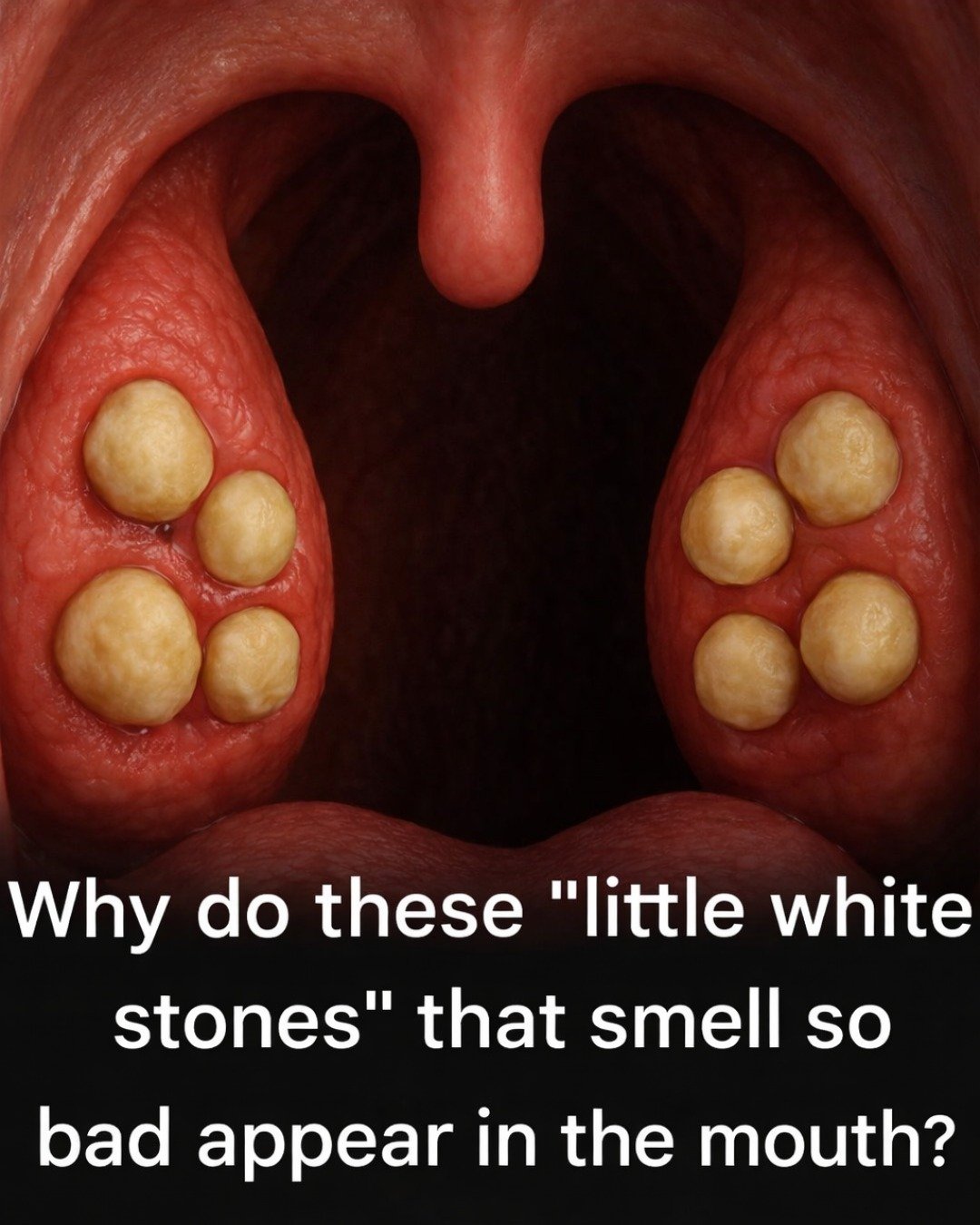
Tonsil stones, or tonsilloliths, are small, hardened deposits that form in the crevices of your tonsils. These white stones develop when food particles, dead cells, and bacteria get trapped in the tonsil crypts, eventually calcifying with minerals from saliva. The bad breath associated with tonsil stones comes from bacteria breaking down trapped debris, releasing strong-smelling compounds—making it a source of ongoing frustration for those dealing with persistent halitosis despite good brushing habits.
Research from sources like Cleveland Clinic and Healthline indicates that tonsil stones are generally harmless but can significantly impact daily comfort due to the odor. Many people experience this without realizing the cause, leading to unnecessary worry about deeper oral issues.
But that’s not all—understanding their formation can help you take control.

 Common Signs That You Might Have Tonsil Stones
Spotting tonsil stones early can spare you from escalating discomfort. While some people have tonsil stones without noticing, others face symptoms that disrupt everyday life, like that nagging bad breath ruining close conversations or a constant throat irritation making swallowing uncomfortable.
Here are the most frequently reported signs:
- Persistent bad breath (halitosis) that doesn’t improve with mints or brushing
- A feeling of something stuck in the back of your throat
- Mild sore throat or irritation
- Visible white or yellowish spots on the tonsils
- Occasional cough or ear pain
According to WebMD and Mayo Clinic, these symptoms vary, but bad breath is the top complaint linked to tonsil stones. If you’ve been battling unexplained halitosis, tonsil stones could be the hidden culprit affecting your confidence.
 Why Do Tonsil Stones Form in the First Place?
The structure of your tonsils plays a big role in why tonsil stones appear. Tonsils have natural pockets called crypts that trap debris as part of your immune defense, but in some people, these pockets are deeper, allowing buildup to harden into tonsil stones. This accumulation not only creates those embarrassing white stones but also fuels bad breath that can make you avoid social situations.
Factors that increase the likelihood include:
- Poor oral hygiene leading to more trapped particles
- Chronic tonsil inflammation or frequent infections
- Dry mouth reducing natural cleansing saliva
- Habits like smoking or mouth breathing
- Diet high in dairy or residue-leaving foods
Studies referenced by Healthline show that people with larger tonsil crypts are more prone to recurrent tonsil stones, turning a minor issue into a recurring source of bad breath and discomfort.
The truth is, anyone can develop tonsil stones, but certain habits make it more likely.

 Safe Ways to Remove Tonsil Stones at Home
When tonsil stones cause bad breath or irritation, many dislodge naturally through coughing or eating. However, if a stubborn tonsil stone lingers, causing that persistent foul odor and throat unease, gentle home methods can help without risking injury.
Always prioritize safety—avoid sharp objects, as they can cause bleeding or infection, per Cleveland Clinic guidelines.
Effective approaches include:
- Gargling with warm salt water: This loosens debris and reduces bacteria contributing to bad breath.
- Using a low-pressure water irrigator: Gently flushes out tonsil stones from crypts.
- Coughing vigorously or eating crunchy foods: Naturally dislodges smaller tonsil stones.
- Non-alcoholic mouthwash rinses: Helps maintain cleanliness and freshen breath.
For visible tonsil stones, some gently use a cotton swab, but proceed with caution. If home efforts don’t resolve the bad breath from tonsil stones, consult a professional.
Here’s a simple step-by-step for salt water gargling:
- Mix 1/2 teaspoon of salt in a cup of warm water.
- Gargle for 30 seconds, tilting your head back.
- Spit and repeat 2-3 times daily.
- Follow with plain water rinse.
This routine not only targets tonsil stones but also supports overall throat health.

 How to Help Prevent Tonsil Stones from Coming Back
Preventing tonsil stones starts with consistent habits that minimize debris buildup and bad breath risks. While you can’t change your tonsil structure, daily practices can significantly reduce how often tonsil stones form, easing that worry about unexpected odor or discomfort.
Key prevention tips backed by experts at Mayo Clinic and Healthline:
- Brush teeth and tongue twice daily
- Floss regularly to remove hidden particles
- Stay hydrated to promote saliva flow
- Gargle after meals with water or salt solution
- Limit dairy if it seems to worsen buildup
- Quit smoking for better oral health
| Habit | Benefit for Tonsil Stones Prevention | How It Helps with Bad Breath |
|---|---|---|
| Daily brushing & flossing | Removes bacteria and food debris | Reduces odor-causing buildup |
| Hydration | Increases saliva to wash away particles | Keeps mouth fresh naturally |
| Salt water gargles | Loosens potential stones early | Soothes and cleanses throat |
| Avoiding smoking | Prevents dry mouth and irritation | Improves overall breath |
Incorporating these can make a noticeable difference in managing tonsil stones long-term.

 Frequently Asked Questions About Tonsil Stones
Are tonsil stones dangerous?
Tonsil stones are typically harmless and don’t lead to serious issues, though they can cause bad breath and discomfort. In rare cases, large or recurrent tonsil stones may contribute to throat irritation—see a doctor if symptoms persist.
Can tonsil stones go away on their own?
Yes, many tonsil stones dislodge naturally without intervention, especially smaller ones. Good hygiene helps this process and reduces bad breath recurrence.
When should I see a doctor for tonsil stones?
If tonsil stones cause ongoing pain, swelling, difficulty swallowing, or unrelenting bad breath despite home care, consult an ENT specialist. They can offer professional removal options.
In summary, tonsil stones are a common explanation for persistent bad breath and throat irritation, but understanding their causes and adopting simple habits can help you manage them effectively. With consistent oral care, most people find relief and fewer occurrences.
Disclaimer: This article is for informational purposes only and is not a substitute for professional medical advice, diagnosis, or treatment. Always consult a qualified healthcare provider with any questions about your health or symptoms.