Bedbugs Will Disappear from Your Garden in Minutes by Doing This (Natural & Safe Tip!)
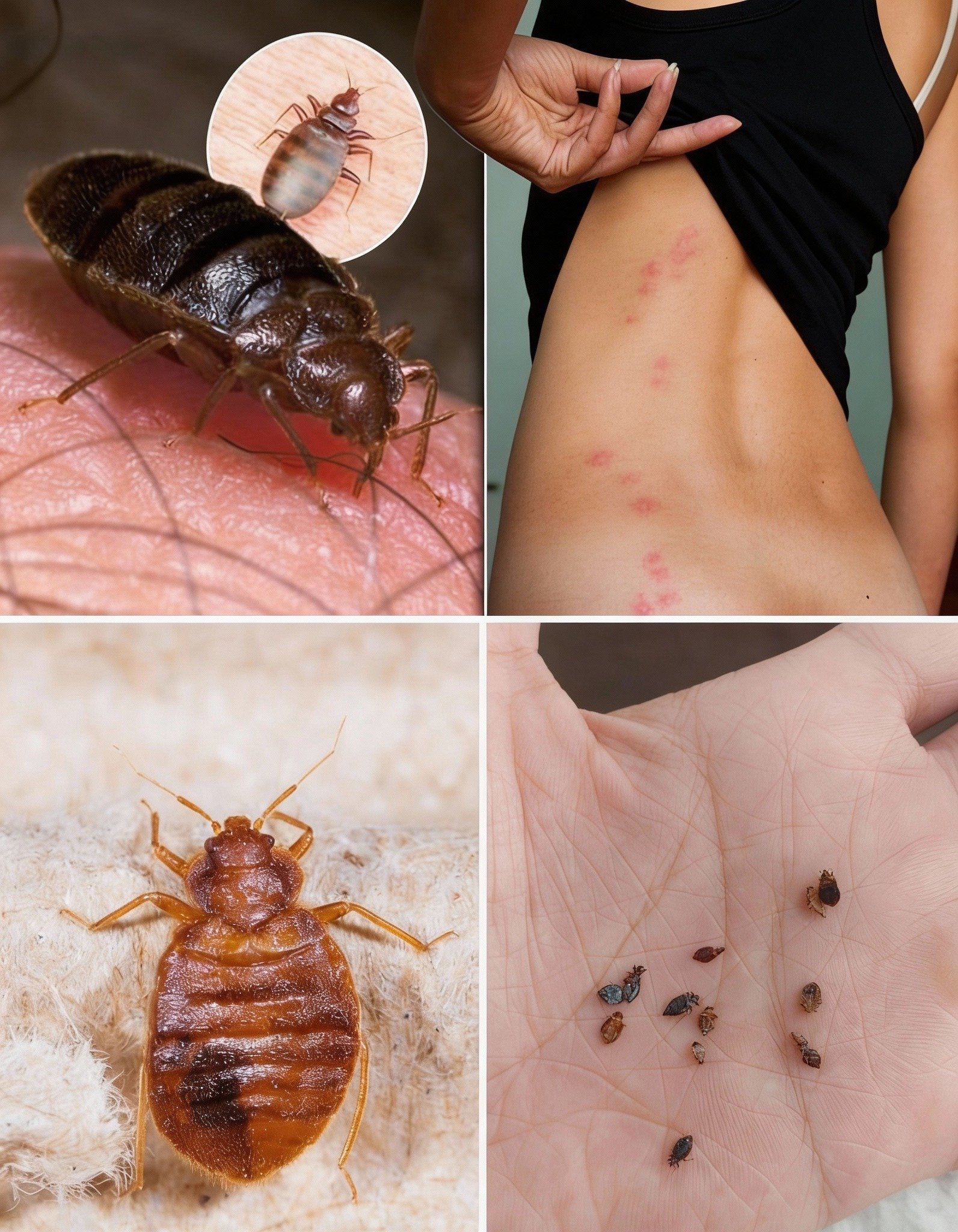
Spotting small, crawling insects on your garden plants can be alarming, especially if they resemble the reddish-brown pests many associate with indoor issues. These are often common garden visitors like aphids, spider mites, or thrips that suck sap and damage leaves, leading to wilted or yellowing foliage that frustrates any gardener’s efforts.
If you’ve ever noticed sticky residue on leaves or stunted growth that threatens your harvest or blooms, it can make tending the garden feel discouraging. Many turn to harsh chemicals, but there’s a gentler approach drawing from natural methods.
Research on plant-based options like neem oil suggests it may help support plant health against soft-bodied insects. Keep reading to explore how a simple neem oil spray could fit into your routine, along with practical steps and complementary ideas for a thriving garden.

 Common Garden Pests Often Confused with Bedbugs
True bedbugs primarily stay indoors, feeding on human blood rather than plants. Outdoors, what looks similar is usually sap-sucking pests like aphids (small, clustered insects) or mites that cause visible damage over time.
These pests can weaken plants, making them more susceptible to disease or reduced yields. Studies show aphids and thrips affect a wide range of vegetables and ornamentals, leading to curled leaves or distorted growth.
But here’s encouraging news: Natural compounds from neem have been studied for their potential to disrupt insect feeding and life cycles without broad harm.

 Why Neem Oil Spray Is a Popular Natural Choice
Neem oil, derived from the neem tree, contains azadirachtin—a compound researched for its effects on insect hormones, feeding, and reproduction.
When mixed with mild soap, it creates a spray that may coat pests, disrupting their activity. Sources like the National Pesticide Information Center note neem’s long history in pest management, often targeting immature stages effectively.
Many gardeners find it helpful for aphids, mites, thrips, and similar soft-bodied pests. It’s considered low-toxicity for mammals and, when dried, poses minimal risk to most beneficial insects.

Here’s a quick overview:
| Pest Type | Common Signs on Plants | How Neem May Help |
|---|---|---|
| Aphids | Sticky honeydew, curled leaves | Disrupts feeding |
| Spider Mites | Fine webbing, speckled foliage | Coats and suffocates |
| Thrips | Silvery streaks on leaves | Interferes with reproduction |
 Step-by-Step Guide to Making Neem Oil Spray
This easy recipe uses common ingredients for a homemade option:
What You’ll Need:
- 2 teaspoons cold-pressed neem oil
- 1/2 teaspoon mild liquid soap (unscented, like castile)
- 1 quart (about 1 liter) warm water
- Spray bottle
Instructions:
- Combine warm water and soap in the bottle; shake to mix.
- Add neem oil and shake vigorously until emulsified.
- Spray thoroughly on affected plants, covering tops and undersides of leaves.
- Apply in early morning or evening to avoid sun stress on plants.
Repeat every 7-10 days or after rain, as needed. Always test on a small area first.
Research supports using diluted neem for gradual support against pests.

 Tips for Safe and Effective Use
Apply when pollinators are less active to protect bees. Avoid hot midday sun to prevent leaf burn.
Neem works best on young insects and as prevention. Combine with good garden practices like removing debris.
If pests persist, consider rotating methods.
 Additional Natural Ideas to Support Your Garden
Complement neem with these researched options:
- Diatomaceous Earth: Food-grade powder sprinkled around bases; its abrasive nature affects crawling pests.
- Garlic-Chili Spray: Blend garlic cloves and hot peppers with water; strain and spray as a repellent.
- Companion Planting: Marigolds near vegetables may deter nematodes and some insects with their scent.
| Method | Best For | Application Tip |
|---|---|---|
| Diatomaceous Earth | Crawling pests like slugs | Reapply after rain |
| Garlic-Chili Spray | Repelling aphids, beetles | Wear gloves during prep |
| Marigolds | Nematodes, general deterrence | Plant around borders |
Final Thoughts: Gentle Ways to Encourage a Healthy Garden
Incorporating natural approaches like neem oil spray may help maintain vibrant plants while supporting ecosystem balance. Many gardeners appreciate these methods for their accessibility and alignment with organic practices.

Start small, observe your plants, and enjoy the process of nurturing your garden naturally.
Frequently Asked Questions
How often should I apply neem oil spray?
Typically every 7-14 days, depending on pest pressure and weather.
Is neem oil safe for edible plants?
Yes, when used as directed and washed before harvest, but check specific guidelines.
What if I don’t see immediate results?
Neem often works gradually by disrupting cycles; persistence and combination methods help.
This article is for informational purposes only and does not replace professional pest control advice. Always test remedies on a small area and consult experts for severe infestations.