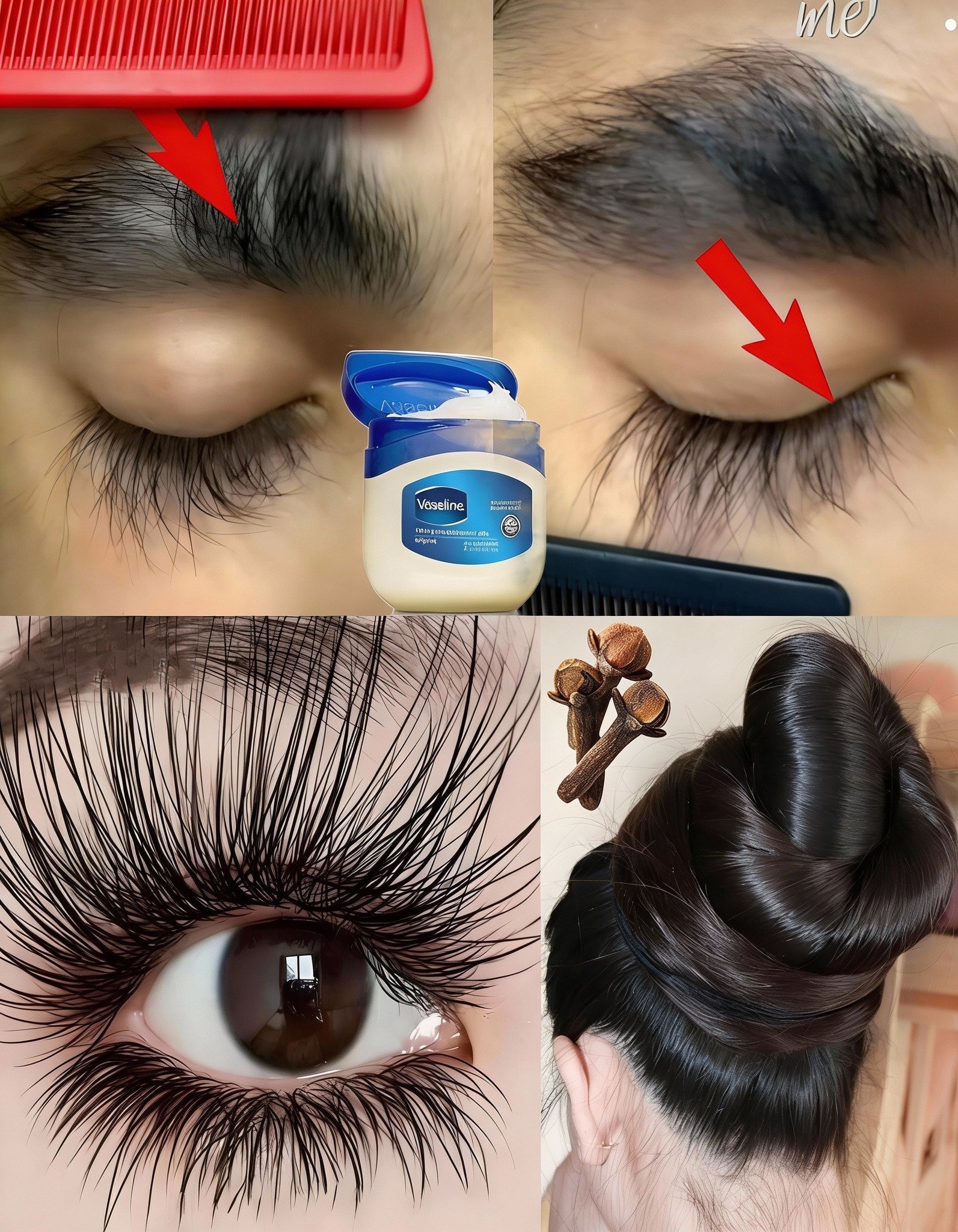
Natural Ways to Support Thicker Eyebrows, Longer Eyelashes, and Healthier Hair
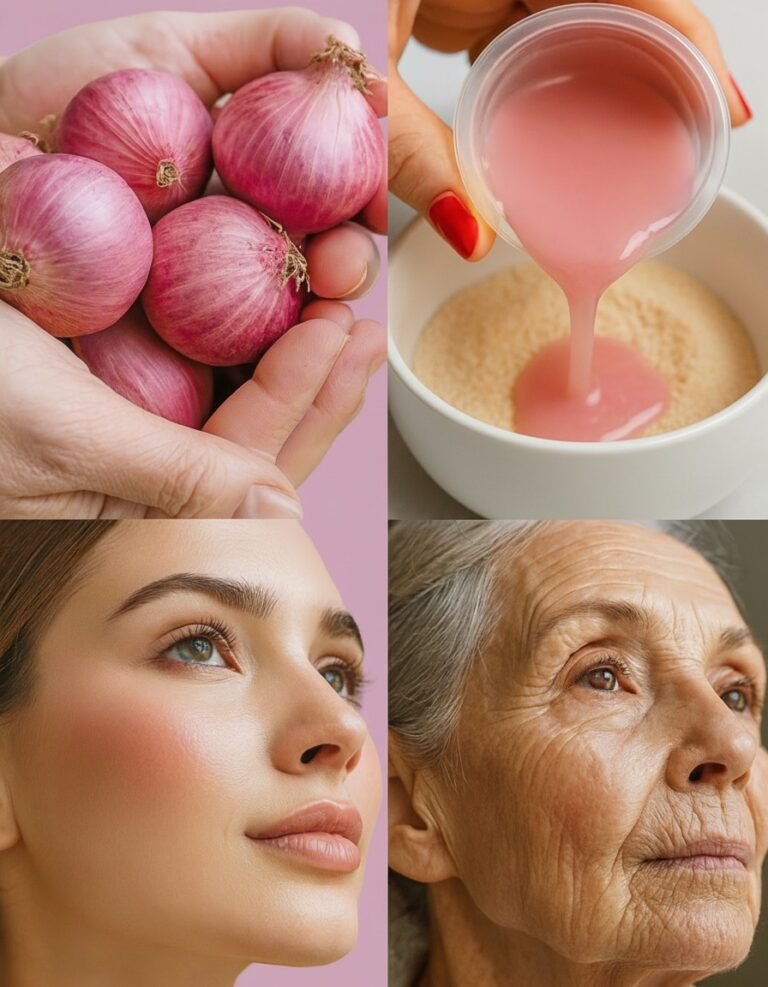
Many people notice thinning eyebrows, shorter eyelashes, or drier hair over time due to factors like age, stress, or environmental exposure. These changes can affect appearance and confidence, making everyday grooming feel frustrating. If you’ve experienced similar shifts, gentle natural approaches may help maintain moisture and strength in existing hairs.
Certain ingredients, like carrier oils, provide conditioning benefits that support hair health without harsh chemicals. Keep reading for evidence-based insights on popular options, including castor oil, plus safer alternatives and a comparison table.

Why Eyebrows, Eyelashes, and Hair Health Matter
Eyebrows and eyelashes protect eyes while framing the face, and scalp hair contributes to overall look and feel. Thinning or dryness often results from breakage, nutrient gaps, or reduced moisture retention.
Buy vitamins and supplements
Research shows occlusive agents like petroleum jelly lock in hydration, reducing brittleness. Natural oils with fatty acids offer similar conditioning, though direct growth stimulation lacks strong evidence.
Mindful care focuses on protection and nourishment.
Popular Natural Ingredients for Conditioning
These common options provide moisture and shine for brows, lashes, and hair.
Castor Oil: Nourishing Fatty Acids
Castor oil contains ricinoleic acid, known for anti-inflammatory properties. Anecdotal reports suggest it conditions lashes and brows, making them appear fuller by preventing dryness.
Studies are limited, but it may improve luster and reduce breakage. Apply sparingly with a clean brush.

Coconut Oil: Lightweight Hydration
Coconut oil penetrates hair shafts easily, helping retain moisture. Small studies link it to reduced protein loss in hair.
Many find it softens brows and lashes without heaviness.

Olive Oil: Antioxidant Support
Rich in vitamins, olive oil conditions delicately. It’s a gentle carrier for other ingredients.

Evidence supports its role in overall hair manageability.
| Ingredient | Key Properties | Common Use for Brows/Lashes/Hair | Potential Benefit |
|---|---|---|---|
| Castor Oil | Ricinoleic acid, thick texture | Nightly conditioning | Moisture retention, shine |
| Coconut Oil | Medium-chain fatty acids | Gentle massage | Reduced breakage, softness |
| Olive Oil | Vitamins E, antioxidants | Light application | Nourishment, manageability |
Practical Tips for Daily Care
Incorporate gently:
- Use a clean spoolie or cotton swab for precise application.
- Apply a tiny amount at night to avoid daytime residue.
- Focus on roots for brows and base for lashes—avoid eyes.
- Combine with massage for better absorption.
- Patch-test first on inner arm.
Consistency over weeks often shows subtle improvements in texture.

Additional Supportive Habits
Enhance results with:
- Balanced diet rich in biotin and proteins.
- Gentle cleansing without rubbing.
- Avoiding over-plucking or harsh removers.
- Protecting from sun and heat styling.
- Staying hydrated.
These promote resilient hairs naturally.
Frequently Asked Questions
Do natural oils make eyebrows or eyelashes grow faster?
They primarily condition and protect existing hairs; strong evidence for new growth is limited.
Is it safe near eyes?
Most are gentle in small amounts, but avoid direct contact—discontinue if irritation occurs.
How long until changes appear?
Improvements in shine or strength may show in weeks; individual results vary.
This information is for educational purposes only and does not replace professional medical advice. Always consult a dermatologist or healthcare provider for personalized recommendations regarding hair, eyebrow, or eyelash concerns. Note: Avoid applying heated clove mixtures or undiluted essential oils near eyes or sensitive areas, as they can cause irritation with limited proven benefits for growth.