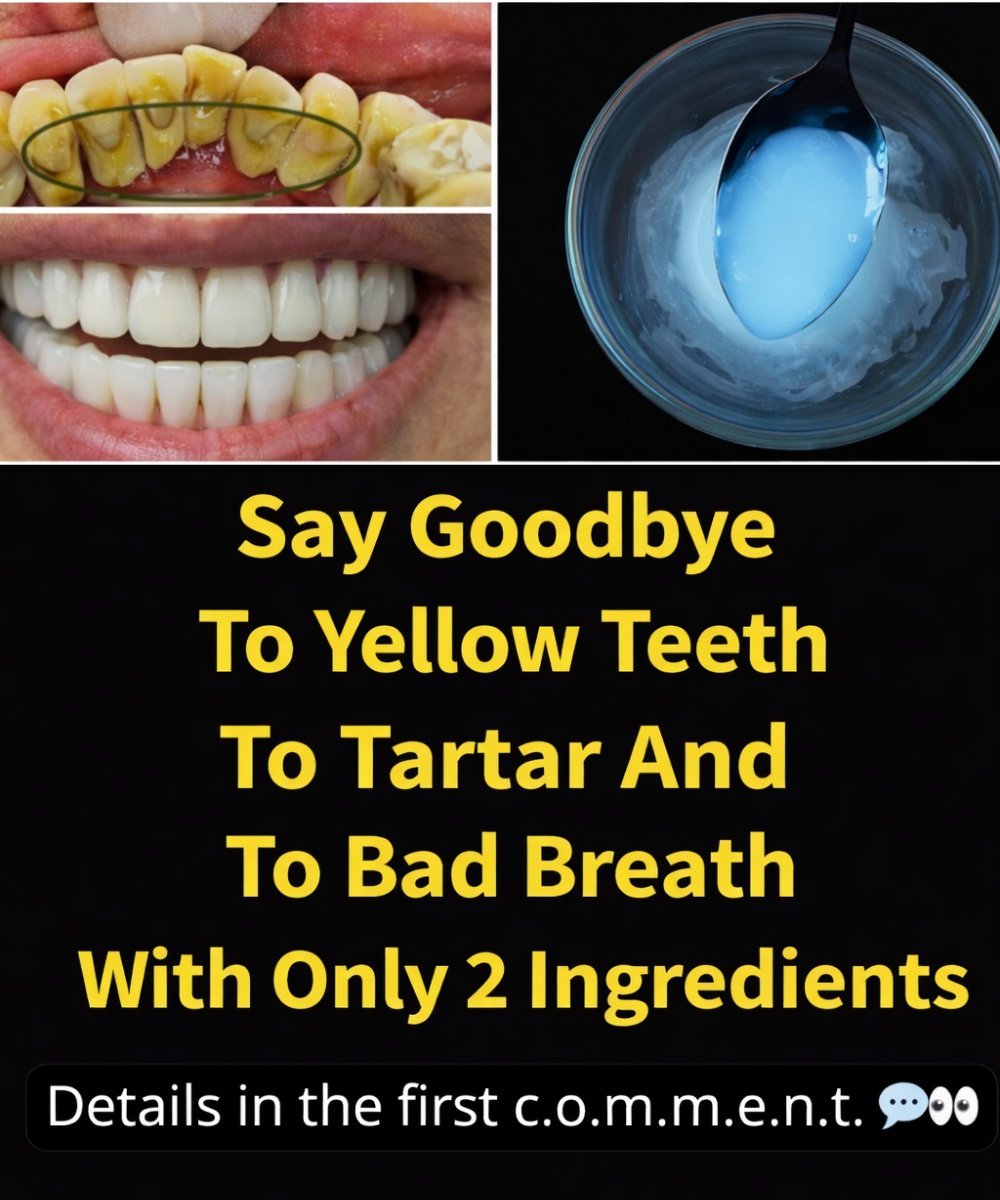
Say Goodbye to Yellow Teeth, Tartar, and Bad Breath With Only 2 Simple Ingredients
Yellow teeth that make you hide your smile during photos or conversations can feel deeply embarrassing, especially when stubborn tartar buildup and lingering bad breath add to the frustration. These common issues affect countless people, turning simple joys like enjoying coffee or a meal into sources of self-consciousness and worry about how others perceive you.
The constant battle with stains from daily habits and plaque turning into hard tartar can drain your confidence, making you avoid smiling freely. But many are finding gentle relief through simple, at-home approaches using everyday ingredients.
Here’s the encouraging part: a straightforward combination of baking soda and coconut oil is popular for helping support oral cleanliness and breath freshness naturally. We’ll explore how this duo works, backed by some research insights, and share easy steps to try it – stay with us to see if it could fit your routine.

Yellow teeth often stem from surface stains that build up over time, making your smile appear dull and aged beyond your years. When plaque isn’t fully removed, it hardens into tartar, trapping more stains and contributing to that unwanted yellow tone.
Bad breath adds another layer of discomfort, often from bacteria producing odors, leaving you anxious in close interactions. Studies show plaque buildup plays a key role here, with bacteria thriving and releasing compounds that affect breath.
But that’s not all – natural mild abrasives like baking soda can help polish away some surface issues, while antibacterial properties in coconut oil may support a cleaner oral environment, according to research on oil pulling.
Dealing with yellow teeth and tartar can feel relentless, as brushing alone sometimes isn’t enough once buildup hardens. Tartar forms when plaque mineralizes, creating a rough surface that attracts more stains from food and drinks.
Bad breath, or halitosis, often links to sulfur-producing bacteria in plaque. Research, including studies on oil pulling with coconut oil, suggests it may reduce plaque and certain bacteria, potentially helping with freshness.

Baking soda’s mild abrasive nature has been studied for stain removal, with the American Dental Association noting its safety in toothpastes. Together, these ingredients offer a supportive, gentle option many turn to.
Struggling with yellow teeth that dim your confidence can be disheartening, especially alongside bad breath concerns. These two ingredients are favorites for natural oral care:
- Baking Soda: A gentle abrasive that helps scrub surface stains; research supports its use in removing plaque without excessive wear when used moderately.
- Coconut Oil: Known for antibacterial properties from lauric acid; studies on oil pulling show potential reductions in plaque and bacteria linked to bad breath.
Combined into a paste, they create a simple blend that may help polish teeth and promote a fresher feel. But remember, evidence is promising yet limited for dramatic changes.

Yellow teeth and persistent bad breath can make social moments stressful. This easy recipe uses items you likely have:
Ingredients:
- 1 teaspoon baking soda
- 1 teaspoon softened coconut oil
Steps:
- Mix until a smooth paste forms.
- Apply a pea-sized amount to your toothbrush.
- Brush gently in circular motions for 2 minutes.
- Rinse thoroughly with water.
Use 2-3 times per week alongside regular brushing. Some also try oil pulling by swishing coconut oil alone for 10-15 minutes.
Benefit: May help with surface cleanliness and breath support, per user reports and small studies.
Here’s a quick overview:
| Aspect | Baking Soda Role | Coconut Oil Role | Potential Combined Support |
|---|---|---|---|
| Surface Stains | Mild polishing | Moisturizing base | Gentler stain removal |
| Plaque & Bacteria | Neutralizes acids | Antibacterial action | Cleaner oral environment |
| Breath Freshness | Reduces buildup | May lower odor bacteria | Fresher feel over time |
Tartar buildup turning into yellow, stubborn deposits can feel defeating. Enhance this approach with:
Consistency matters – studies show gradual improvements with regular care.

Overusing abrasives on already sensitive or yellowed teeth risks irritation. Important notes:
- Use sparingly to avoid enamel wear; baking soda is low-abrasive but moderation is key.
- Gentle brushing prevents gum issues.
- Patch test if sensitive.
- Not for daily replacement of regular toothpaste.
If concerns persist, professional cleaning removes tartar effectively.
Bad breath and yellow teeth often tie to habits, amplifying daily frustrations. Support with:
- Drink water frequently.
- Eat crunchy fruits/veggies for natural cleaning.
- Avoid tobacco and excess sugar.
- Regular dental check-ups for tartar removal.
These complement any natural efforts.
Many facing yellow teeth and breath worries have tried this:
“Teeth felt cleaner and looked a bit brighter.” – Echoing mild stain reduction anecdotes.
Results vary; patience helps.
Realistic Expectations
Visible surface improvements may take 2-4 weeks with consistent, moderate use. Deeper yellowing or tartar needs professional care, as natural methods support but don’t replace it.
Fuller benefits often emerge over months with good habits.
Yellow teeth, tartar concerns, and bad breath don’t have to overshadow your smile forever. This baking soda and coconut oil paste offers an affordable, natural way to potentially support brighter appearance and fresher breath at home.
With gentle, consistent use alongside proven habits, many find it a helpful supplement. Try it mindfully and see what works for you.
Frequently Asked Questions
How often can I safely use this paste?
2-3 times weekly is common; daily may be too abrasive for some – monitor for sensitivity.
Does it remove tartar completely?
No, hardened tartar requires professional removal; this may help with plaque prevention.
Is it suitable for sensitive teeth?
Start sparingly and stop if irritation occurs; consult a dentist for personalized advice.
Disclaimer: This article is for informational purposes only and is not intended to diagnose, treat, or cure any condition. Natural remedies may support oral health but results vary widely. Always consult a dental professional for concerns, especially regarding stains, tartar, or bad breath. This content does not replace professional dental advice or treatments.