What Happens to a Woman’s Body and Emotions During Prolonged Lack of Emotional Contact
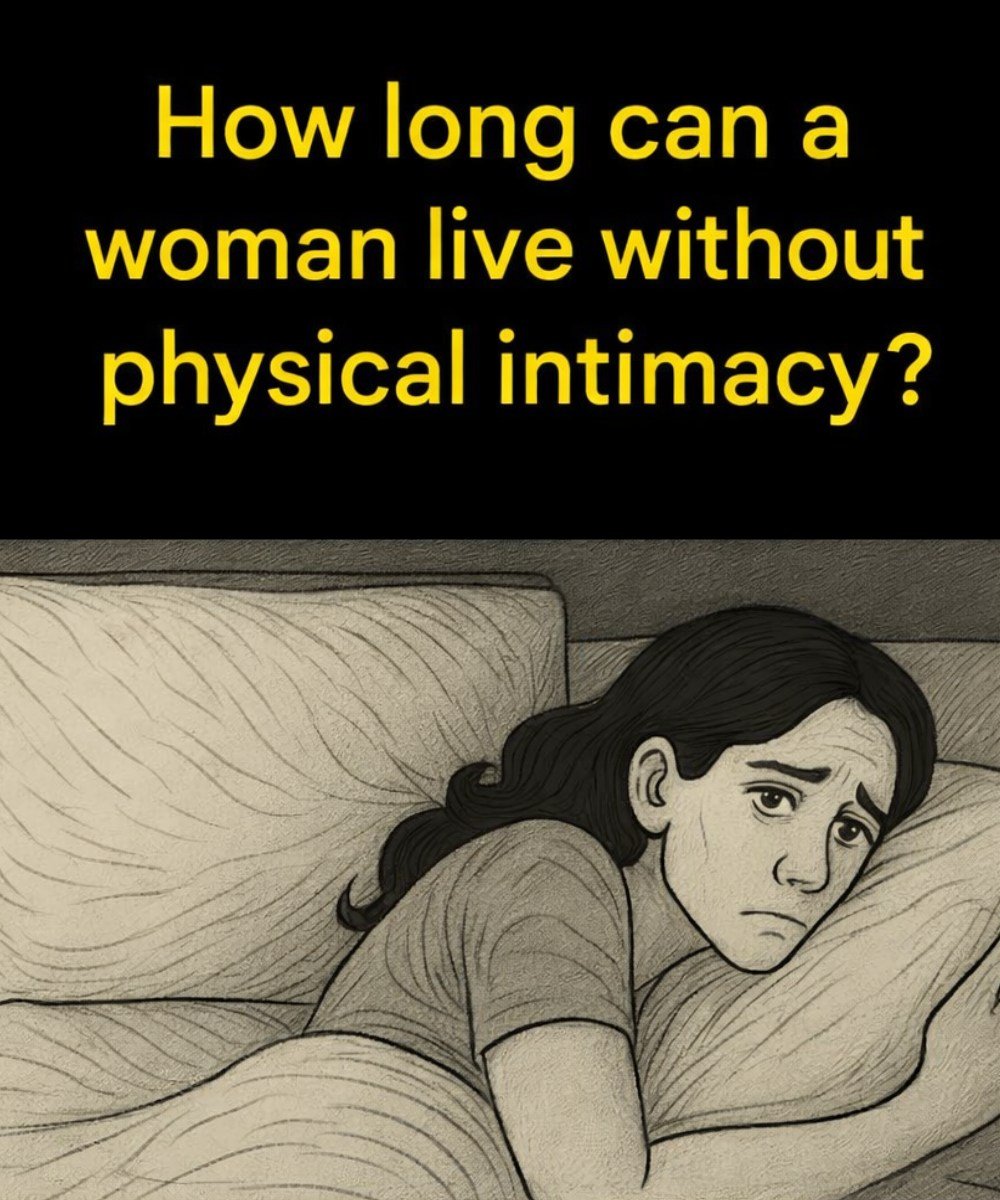
Many women experience periods where deep emotional contact feels distant, whether single, in a relationship, or navigating life changes—this quiet absence can stir a profound sense of emptiness that’s hard to shake. The longing for meaningful connection, like a heartfelt conversation or genuine understanding, touches something essential, leaving subtle aches in both body and mind when unmet over time. It’s common to push through, assuming it’s just a phase, but this lack of emotional contact can gradually influence how you feel day to day, amplifying stress or quiet doubts.
Research from psychology and neuroscience, including studies on oxytocin and social bonding, shows that humans thrive on emotional closeness, and its prolonged absence may contribute to feelings of isolation even among others. The good news? Recognizing these effects of lack of emotional contact is the first step toward nurturing connections that restore balance. Keep reading to explore what might be happening inside—and gentle ways to invite more warmth back in.

The Vital Role of Emotional Contact in Daily Well-Being
Emotional contact—those moments of being truly seen and valued—helps release oxytocin, often called the bonding hormone, which supports calm and trust.
When there’s a prolonged lack of emotional contact, lower oxytocin activity can make everyday interactions feel less rewarding, deepening a sense of disconnection.
Studies, such as those reviewed in affective neuroscience, link this to heightened sensitivity to social cues, sometimes interpreting neutral situations as rejecting.
It’s not uncommon to feel this lack of emotional contact more acutely during transitions, like career shifts or empty nesting, where familiar sources of validation fade.
But understanding these dynamics can empower small steps toward reconnection.
Increased Stress and Its Ripple Effects on the Body
Without regular emotional contact, the body may stay in a low-level stress state, with elevated cortisol that disrupts sleep or energy.
Research indicates that prolonged lack of emotional contact can contribute to physical tension, like unexplained fatigue or restlessness, as the nervous system craves soothing interactions.
Many women notice lighter sleep or occasional anxiety spikes, tied to reduced calming hormones from affectionate exchanges.

This isn’t about weakness—it’s biology responding to the absence of what naturally regulates stress.
Over time, chronic stress from lack of emotional contact might influence immune function, per findings from loneliness studies.
Emotional Shifts: From Quiet Doubts to Deeper Longing
A common effect of prolonged lack of emotional contact is subtle erosion of self-assurance, where one might question desirability or worth.
Psychological reviews note increased negative mood or irritability, as unmet needs for validation build quietly.
This lack of emotional contact can foster resentment or withdrawal, creating barriers to new connections.
Women often report feeling “invisible” even in crowds, amplifying isolation.
Yet, these emotions signal a natural need, not a flaw.

How the Body Holds Onto the Memory of Connection
Physical symptoms from lack of emotional contact might include muscle tightness or unexplained aches, as touch and warmth memories linger.
Touch deprivation research highlights “skin hunger,” where absence leads to heightened craving for affection.
In women, hormonal fluctuations can intensify this during certain life stages.
Combined with emotional distance, it may manifest as low mood or reduced motivation.

Adaptation and Resilience Amid the Absence
Over time, many adapt to lack of emotional contact by building independence, finding strength in solitude.
But studies show this adaptation doesn’t eliminate the underlying need—emotional contact remains key for full vitality.
Independence thrives alongside connection, not in place of it.
Here’s a comparison of common experiences:
| Aspect | With Regular Emotional Contact | Prolonged Lack of Emotional Contact |
|---|---|---|
| Mood Stability | More balanced, positive outlook | Potential for increased sadness or anxiety |
| Stress Response | Lower cortisol, better regulation | Higher ongoing stress levels |
| Self-Perception | Feeling valued and secure | Possible doubts or lowered confidence |
| Physical Energy | Sustained vitality | Fatigue or restlessness |
| Social Engagement | Easier openness | Tendency toward withdrawal |
Gentle Ways to Nurture Emotional Contact
Rebuilding starts with small, intentional steps:

- Reach out to trusted friends for deeper conversations.
- Engage in group activities like classes or volunteering for natural interactions.
- Practice self-compassion through journaling or mindfulness.
- Consider professional support if feelings persist.
- Prioritize non-romantic touch, like hugs from loved ones or professional massage.
These can gradually boost oxytocin and ease effects of lack of emotional contact.
Embracing Independence While Honoring the Need for Connection
Strength and self-sufficiency are empowering, yet emotional contact adds depth and color to life.
Many women find balance by cultivating both—independence for resilience, connection for nourishment.
Prolonged lack of emotional contact doesn’t define worth; it’s a signal to seek what fulfills.

Final Thoughts
The effects of prolonged lack of emotional contact touch body and heart deeply, but awareness opens doors to healing.
Prioritizing meaningful connections—big or small—can restore balance and joy.
You’re deserving of warmth and understanding; taking steps toward it honors your well-being.
FAQ
Is lack of emotional contact the same as being alone?
No—many feel this even in relationships or crowds; it’s about depth of connection, not just presence.
Can these effects be reversed?
Yes, rebuilding contacts through intentional efforts often improves mood, stress, and energy over time.
When should I seek help for feelings from lack of emotional contact?
If persistent sadness, anxiety, or physical symptoms interfere with daily life, consulting a healthcare provider or therapist is recommended.
Disclaimer: This article is for informational purposes only and is not a substitute for professional medical advice, diagnosis, or treatment. Experiences vary; consult a qualified healthcare provider for personal concerns about emotional or physical health.